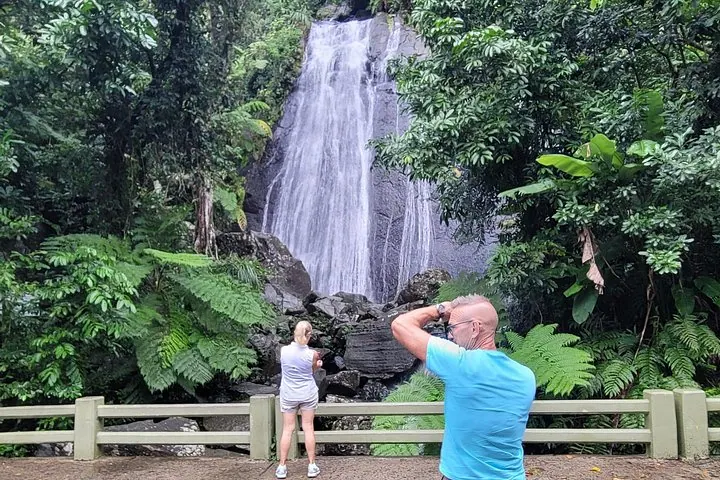
 Forest road tour
El Yunque National Forest: The Road 191 Corridor - Half Day
4.98 49 reviews 98% five stars
- 4.5 hours
- Up to 14
- English, Spanish
- Hotel pickup or meeting point
- Free cancellation up to 24 hours before
from $95 per person
El Yunque National Forest has 13 coquí species on its forest list. You can see captive Puerto Rican parrots at El Portal Rainforest Center and look for wildlife along forest trails.
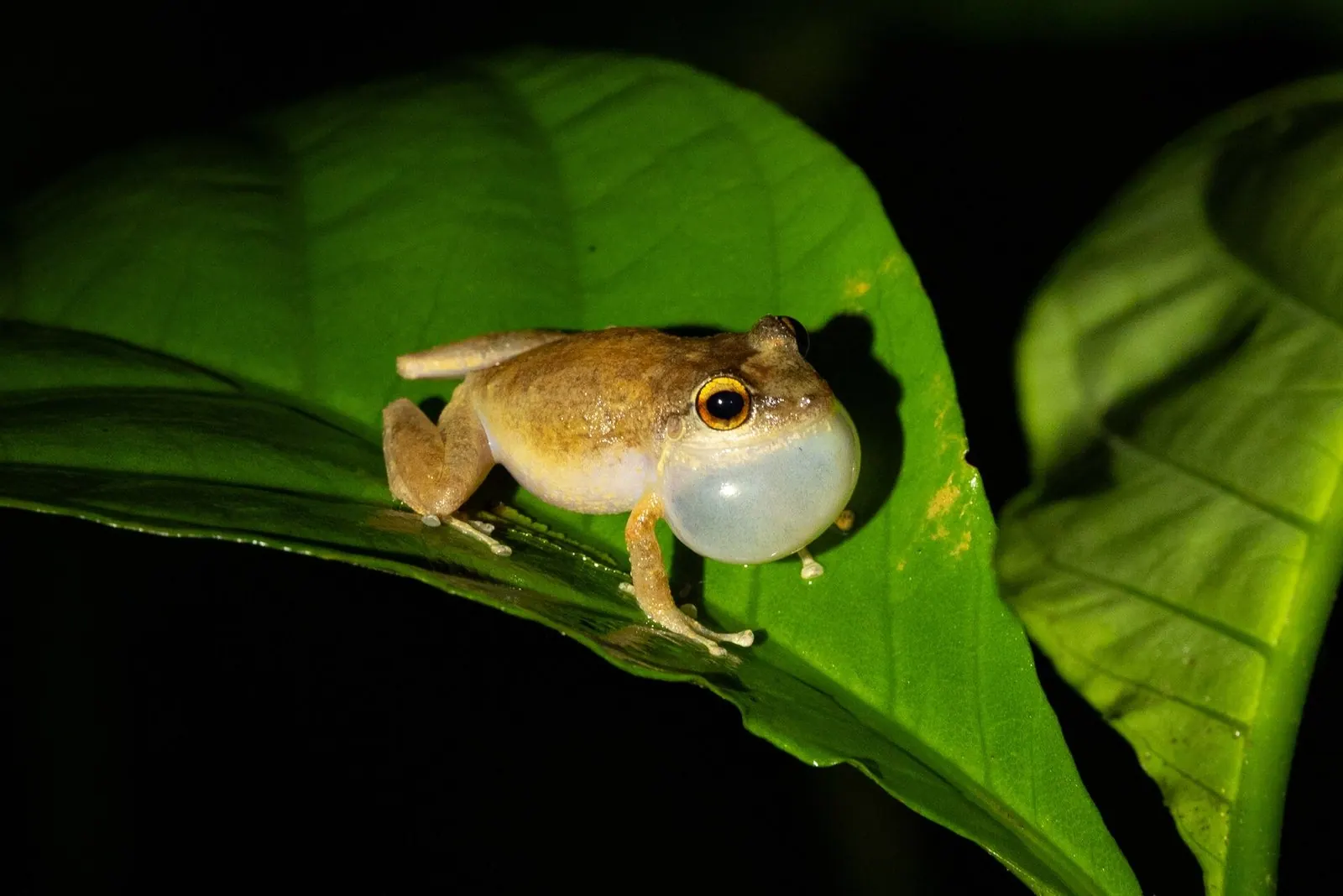
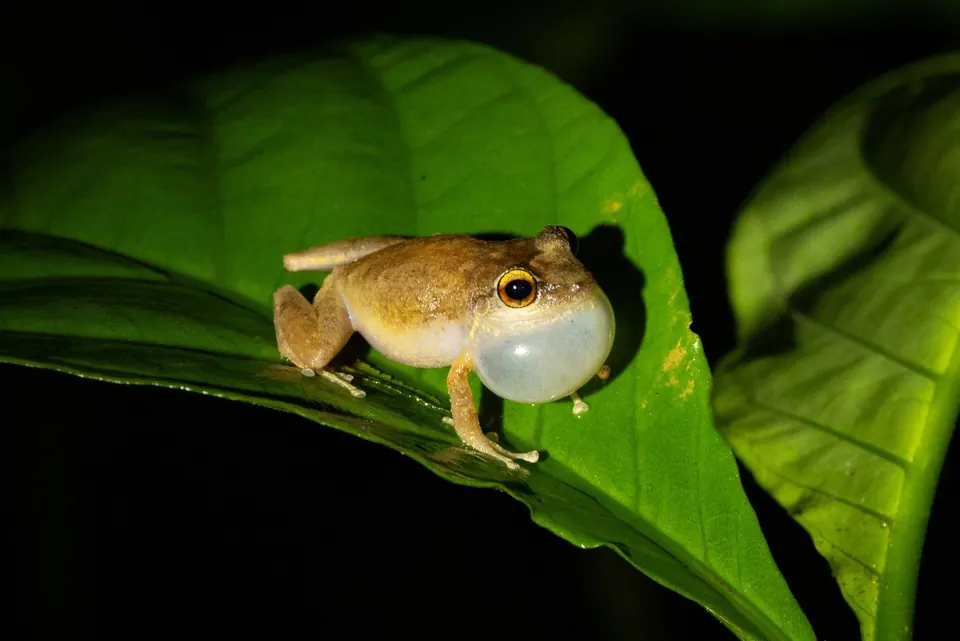
Coquís are tree frogs, with 13 of Puerto Rico's 17 native species on El Yunque's forest list. Coquís hatch directly from their eggs as small frogs without a tadpole stage.
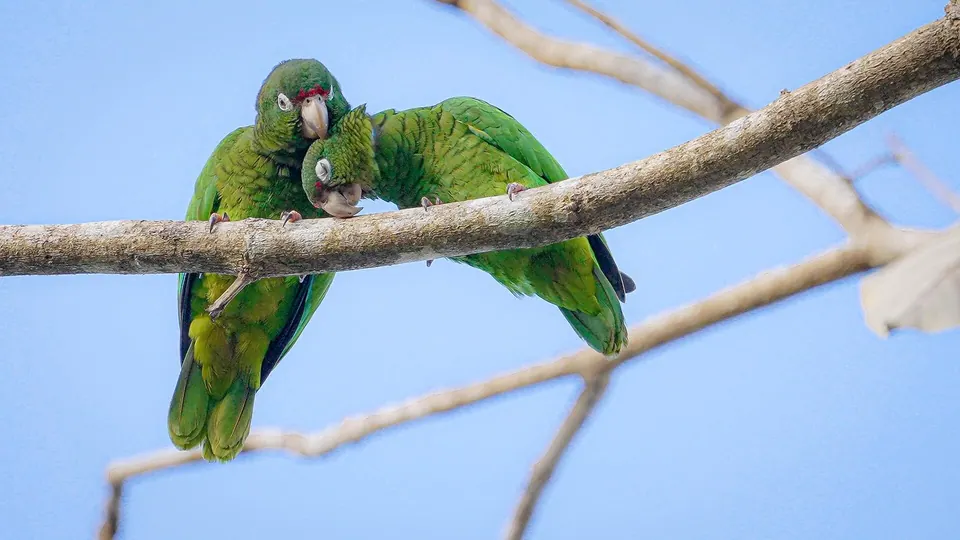
The US Fish and Wildlife Service estimated 100 to 105 wild Puerto Rican parrots in El Yunque in its February 2026 update. The February 2026 recovery update reports more than 900 Puerto Rican parrots across wild and captive populations. You can see captive parrots at El Portal.
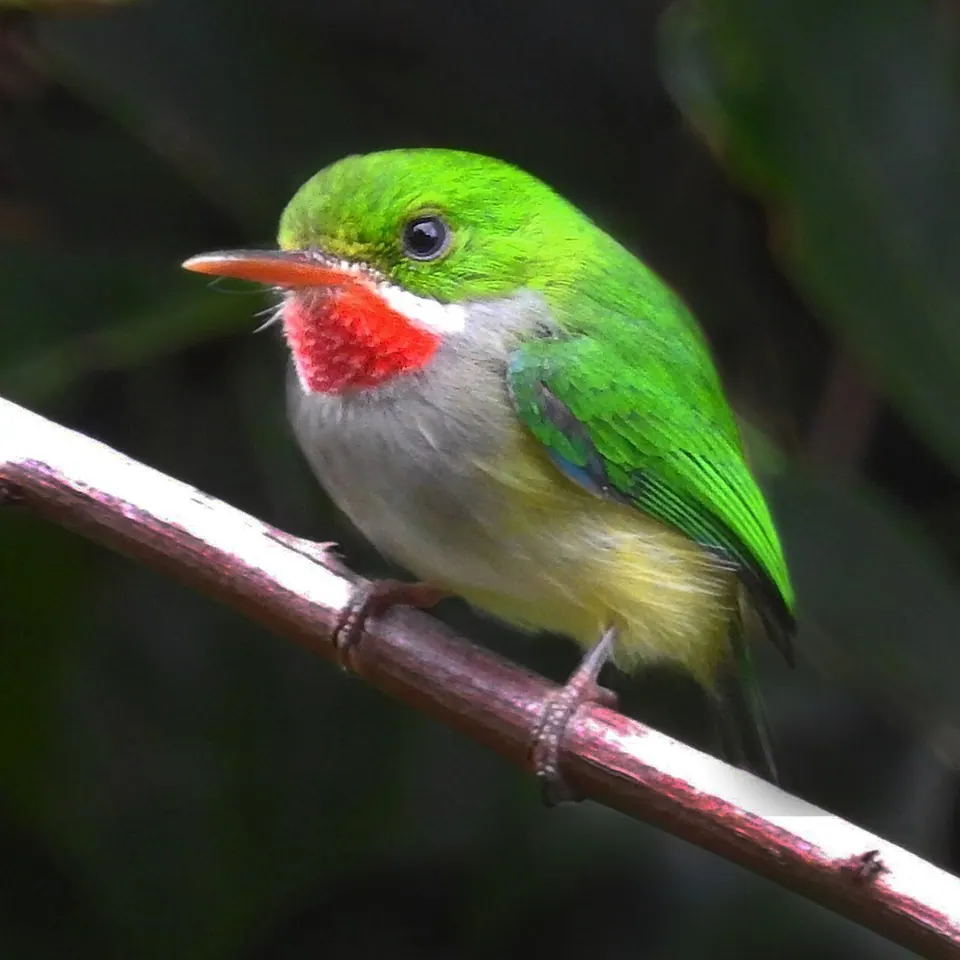
The Puerto Rican tody measures about 4.25 inches long, with a green body and red throat. Todies are often heard but hard to see. You can look along trails near mud banks.
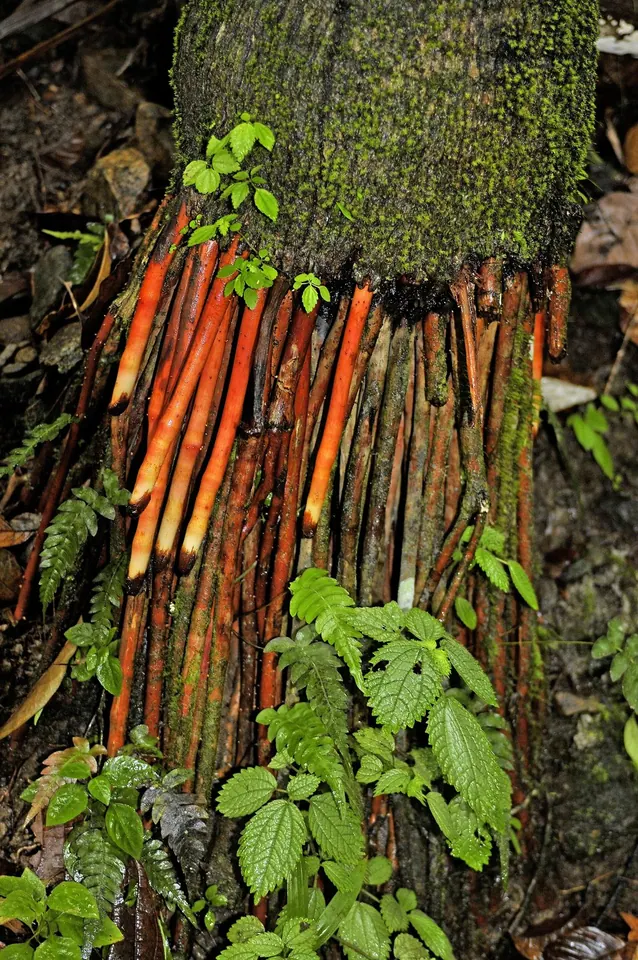
Puerto Rican boas have been seen near Yokahú Tower, on PR-191 at km 8.8. The Puerto Rican boa is nonvenomous and remains federally listed as Endangered. Boas are hard to spot.
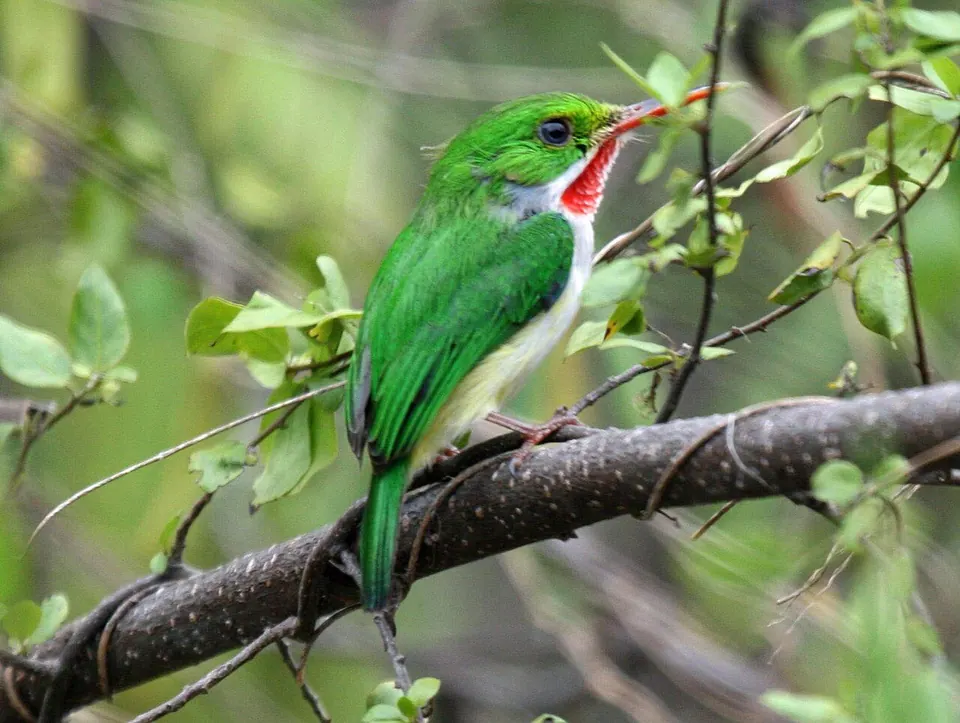
Birds from 78 species have been heard along El Portal Trail. We recommend the trail if you want a walk of 0.3 miles. Elsewhere in the forest, you can listen for elfin-woods warblers and red-tailed hawks.
El Yunque has 5 native snake species, including the mildly venomous Puerto Rican racer. A cornered racer can bite you. Mongooses can carry rabies, so you should keep your distance.
If it rains: heavy rain can trigger flash floods in El Yunque. River levels can rise with little warning. Plan your wildlife watching away from rivers during heavy rain.
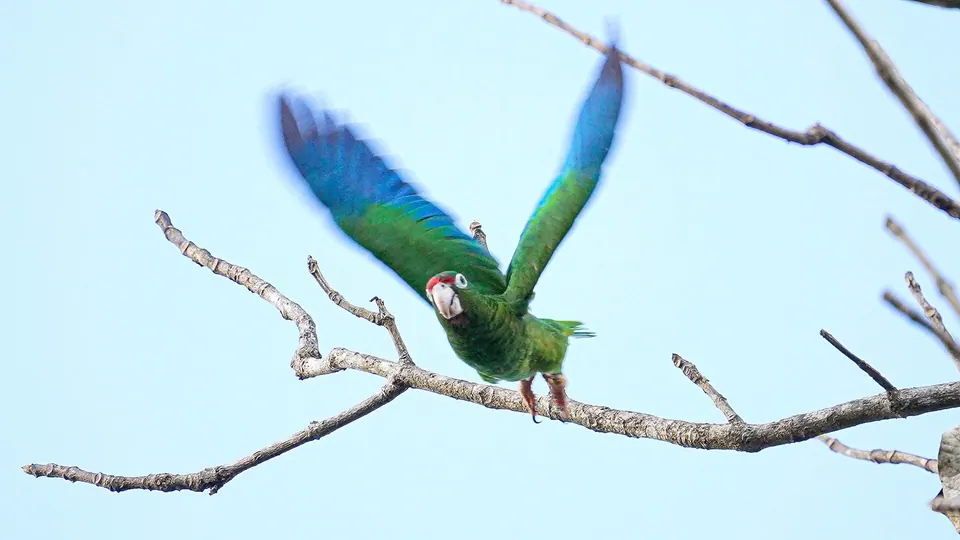
Our pick: El Portal if you want to see its three live Puerto Rican parrots. El Portal is on PR-191 at km 4. You can learn about parrot recovery at the exhibit.
From the PR-9966 observation point near Iguaca Aviary, you may be lucky enough to see wild Puerto Rican parrots flying. Iguaca Aviary supports parrot recovery through breeding.
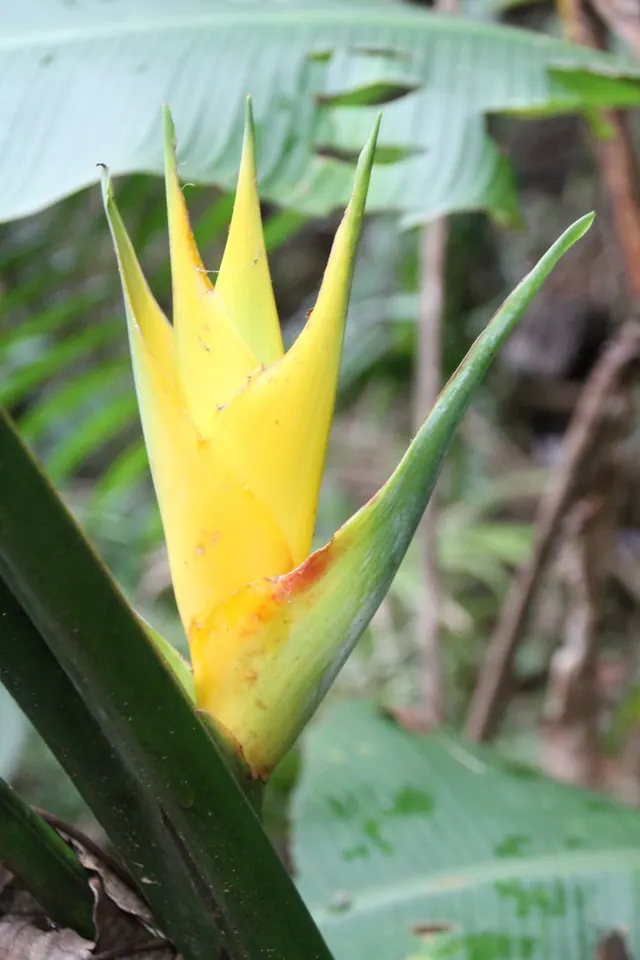
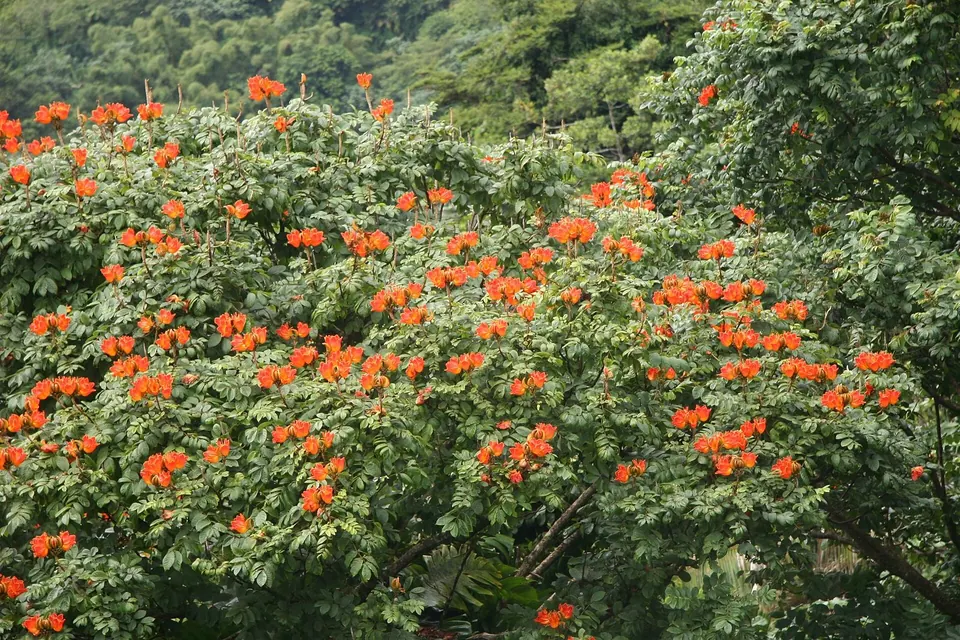
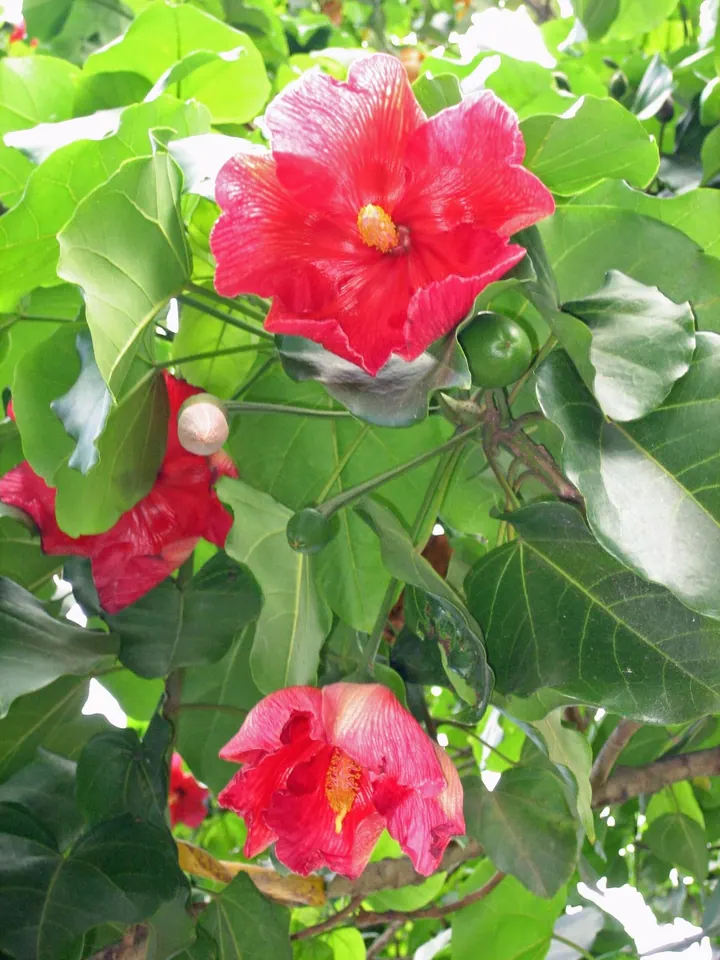
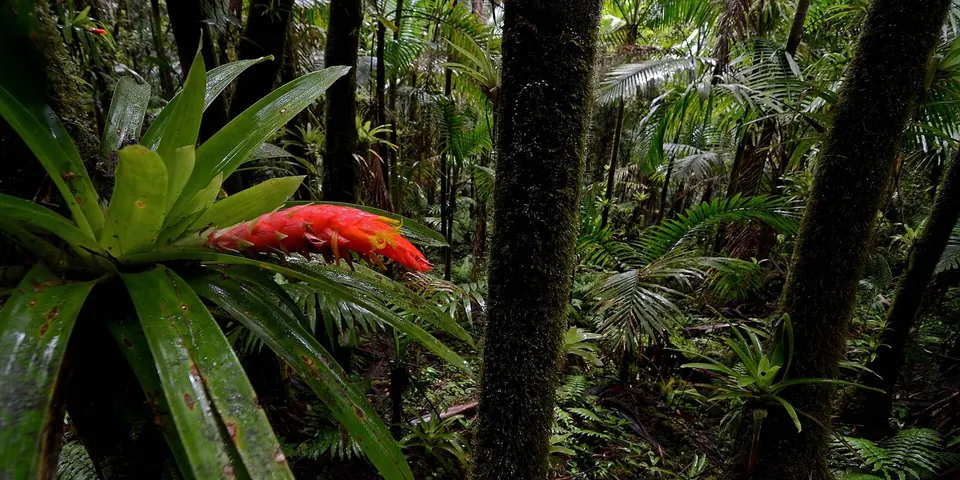
El Yunque plants include more than 150 fern species, with tree ferns among them. Tabonuco and palo colorado trees grow in the forest. You can also look for bromeliads on the forest floor. Maga trees have large pink or red flowers.
Lepanthes eltoroensis is an orchid found only in El Yunque. Lepanthes eltoroensis was removed from the federal endangered list in 2021 after recovery. You cannot collect orchids in the forest.
We compared all 162 El Yunque tours and kept 71 on reviews and ratings. How we pick tours
Forest road tour4.98 49 reviews 98% five stars
from $95 per person
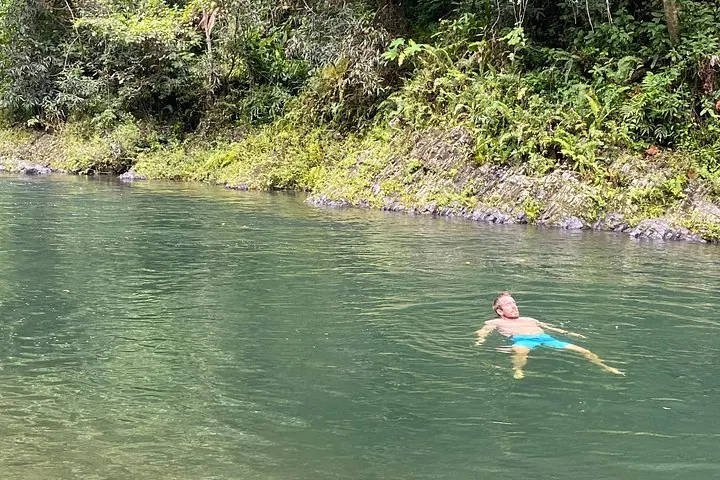 Forest road tour
4.80 527 reviews 89% five stars
from $75 per person
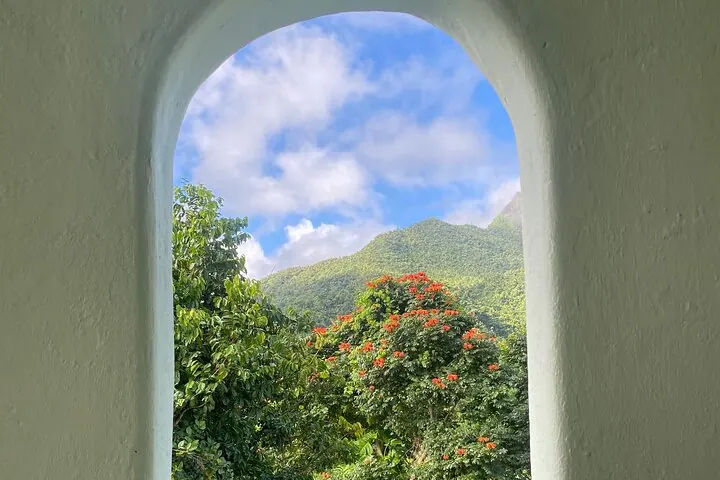 Forest road tour
4.78 538 reviews 86% five stars
from $80 per person
Animals listed for El Yunque include 13 coquí species and the Puerto Rican parrot. If you walk forest trails, listen for Puerto Rican todies, which can be hard to see. The forest also has native lizards and 11 native bat species. Puerto Rican boas are nonvenomous.
El Yunque has 5 native snake species, though snakes are rarely seen. If you corner a Puerto Rican racer, the snake can bite. A Puerto Rican racer bite is mildly poisonous and can cause swelling or soreness. The Puerto Rican boa is nonvenomous.
No jaguars appear on the Forest Service mammal list for El Yunque, which includes 11 native bat species. For your safety, keep your distance from mongooses on a walk. Mongooses can carry rabies. Feral domestic cats are among the forest's introduced mammals.
You can see three live Puerto Rican parrots at El Portal Rainforest Center, on PR-191 at km 4. For wild parrots, you may be lucky enough to see some from the PR-9966 observation point. The February 2026 recovery update estimates 100 to 105 wild parrots in El Yunque.
A coquí is a tree frog from a group of 17 species native to Puerto Rico. Within El Yunque, the forest list includes 13 coquí species. Coquí eggs hatch into small frogs without a tadpole stage. Males guard the eggs in at least 5 Puerto Rican coquí species, according to the Forest Service.